The Allure of Casino Environments
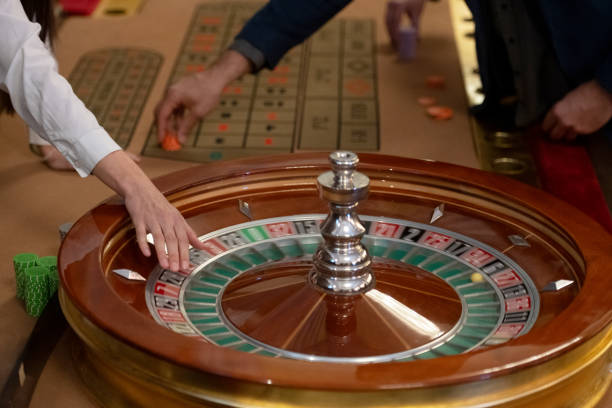
The design and atmosphere of casinos play a crucial role in attracting and retaining players. Bright lights, captivating sounds, and the smell of freshly prepared food create an immersive experience that stimulates the senses. This carefully orchestrated environment is no accident; it is engineered to evoke feelings of excitement and anticipation, which can lead individuals to gamble more. The ambiance can stir a sense of euphoria that makes it hard for patrons to leave, even after significant losses. For those seeking alternatives, engaging with a non gamstop casino might be appealing.
Moreover, casinos leverage the principle of operant conditioning, particularly the variable ratio reinforcement schedule, to encourage continued play. Players may experience a win at random intervals, which reinforces their behavior and keeps them returning for more. This unpredictability adds to the thrill, enticing individuals to gamble longer than they initially intended, often leading to compulsive gambling behaviors.
Psychological Triggers and Emotional States
The psychology behind gambling is deeply intertwined with emotional states. Many individuals view casinos as an escape from reality, a place where problems can be temporarily forgotten. Gambling can provide a brief sense of control and excitement, serving as a distraction from stress or anxiety. As a result, people may turn to gambling not just for monetary gain, but for emotional relief.
Additionally, the interplay between hope and despair can significantly influence gambling habits. The hope of winning big can lead to irrational decision-making, encouraging players to chase their losses. This cycle of hope, loss, and continued gambling can perpetuate addiction, making it challenging for individuals to recognize when their habits have crossed into unhealthy territory.
Risk vs. Reward: The Gambler’s Mindset
The concept of risk and reward is central to understanding casino gambling habits. Many gamblers possess an innate desire to experience excitement, often prioritizing thrill over rationality. This mindset can skew a player’s perception of risk, causing them to underestimate the likelihood of losing. As they engage more in gambling, the excitement of potential wins can overshadow their awareness of losses, promoting a cycle of high-risk behavior.
Additionally, the influence of confirmation bias plays a significant role in shaping a gambler’s experience. Players may focus on their wins while downplaying or rationalizing their losses, reinforcing the desire to keep playing. This distorted view can lead to an escalated commitment to gambling activities, as the gambler remains convinced that they will eventually win back their losses.
The Role of Social Influences in Gambling
Social dynamics significantly impact gambling behaviors, as many individuals are influenced by peers or societal norms. Casinos often create a communal atmosphere, with group activities driving increased participation. When surrounded by friends or fellow gamblers, individuals may feel compelled to join in, often disregarding personal limits in the process.
Additionally, the portrayal of gambling in popular media can further glamorize the activity, shaping perceptions and behaviors. Movies and shows often depict gambling as a glamorous and exciting pursuit, leading viewers to engage in similar behaviors without fully understanding the risks involved. The allure of fitting in with a social group or lifestyle can lead individuals to develop unhealthy gambling habits, making it crucial for awareness and education around responsible gambling.

Promoting Safe Gambling Practices
As the awareness of safe gambling practices grows, so does the importance of providing resources for those who may be struggling. Ensuring that individuals have access to supportive services is vital for mitigating the risks associated with gambling. This website aims to empower users by providing essential information regarding safe gambling and awareness of potential triggers that can lead to problematic behavior.
By prioritizing user safety, the website offers guidance to help individuals navigate their gambling habits responsibly. Engaging with educational content and support services can create a healthier relationship with gambling, promoting a balance between enjoyment and caution in casino environments, ensuring that the thrill of gaming does not overshadow personal well-being.